COMPUTER SCIENCE AND ENGINEERING (DATA SCIENCE)


COMPUTER SCIENCE AND ENGINEERING (DATA SCIENCE)

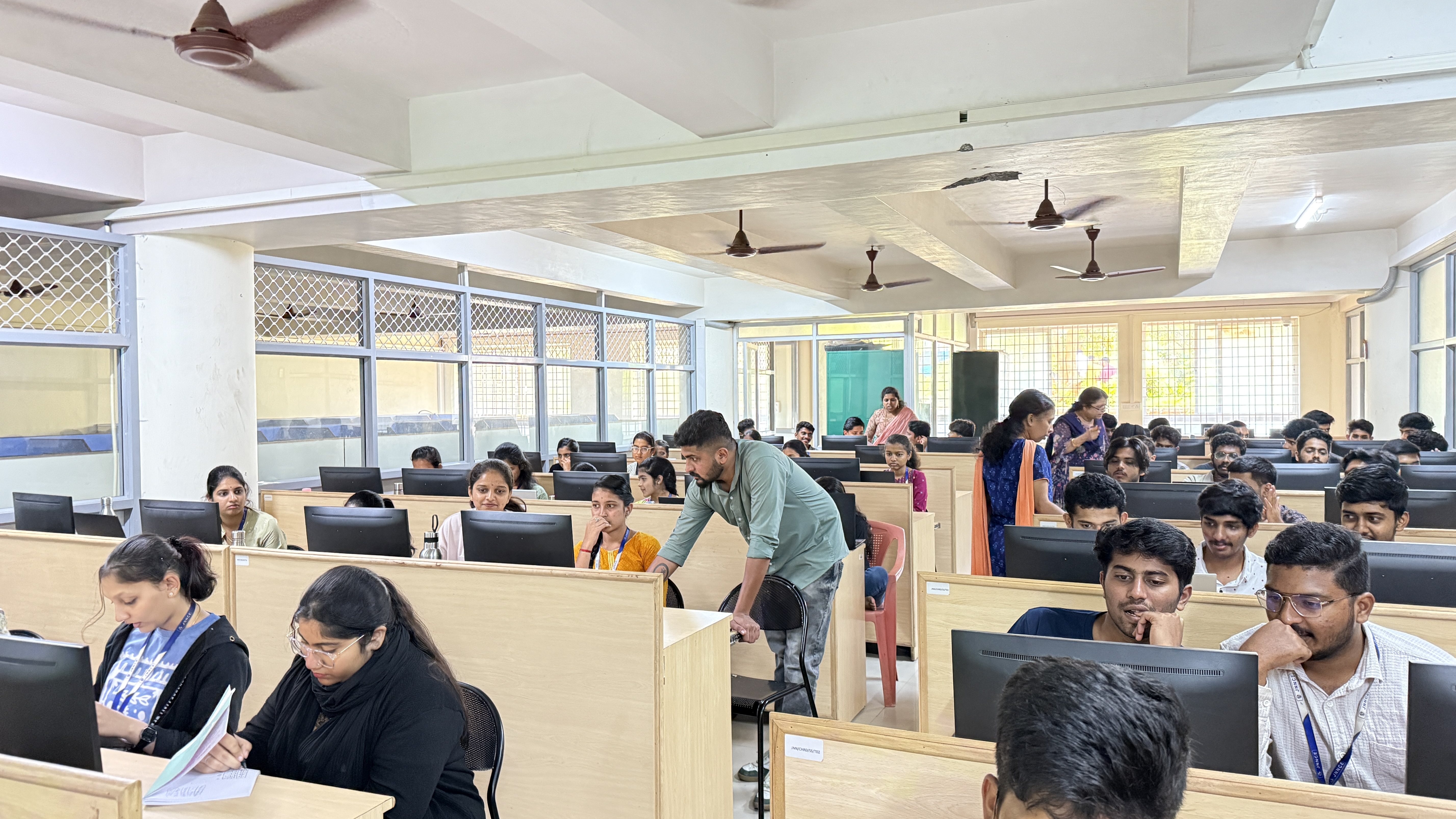
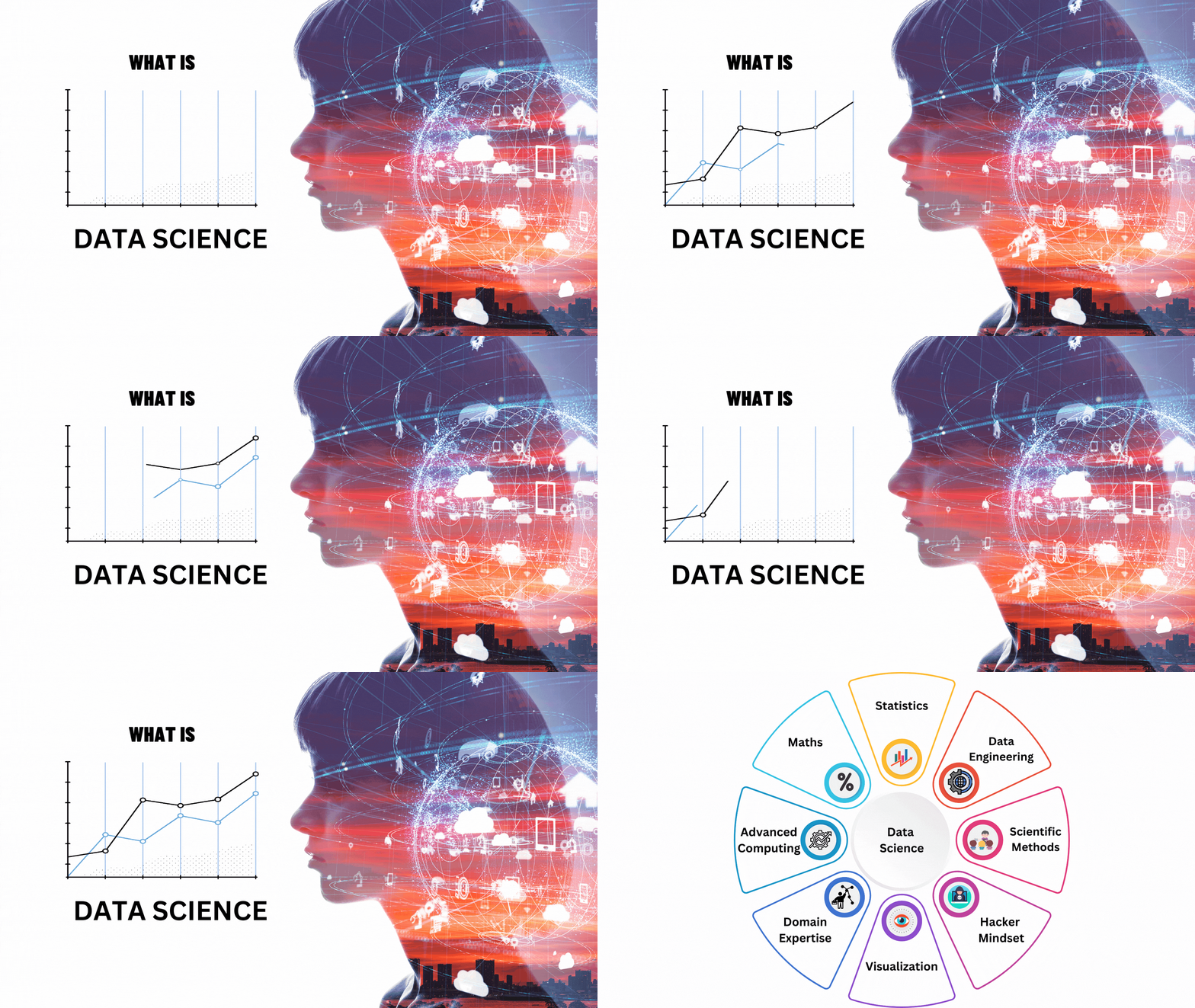
JNNCE is  pleased to introduce the Computer Science and Engineering (Data Science) course with an intake of 60 students. Computer Science and Engineering with a specialization in Data Science is a multidisciplinary field that merges principles of computer science, mathematics, statistics, and domain knowledge to extract meaningful insights from large datasets. The course focuses on equipping students with the skills to manage, analyze, and interpret vast amounts of data in order to make informed decisions and drive innovation. Data Science combines various tools and algorithms for processing structured and unstructured data, while also emphasizing machine learning, artificial intelligence, and predictive modelling techniques. Students in this program will gain expertise in core computer science areas such as algorithms, software development, database management, and cloud computing, along with specialized skills in data mining, statistical analysis, and data visualization. Graduates of Computer Science and Engineering (Data Science) will have a wide range of career opportunities in various industries, including:

  • Data Scientist
  • Data Analyst
  • Machine Learning Engineer
  • AI Specialist
  • Big Data Engineer
  • Business Intelligence Analyst
  • Software Developer (specializing in data-driven solutions)
  • Data Architect
  • Cloud Computing Expert
  • Researcher in Data Science and AI


These professionals are highly sought after in industries such as finance, healthcare, e-commerce, telecommunications, and beyond, where data-driven decision-making is key to innovation and growth. With an emphasis on both theory and practical applications, students will be well-prepared to tackle complex data challenges and shape the future of technology.

     Dr. Manjula G R,
     Professor and Head,
     Dept. of Computer Science (Data Science),
     Email: hod_cds@jnnce.ac.in


SL.NO

NAME

QUALIFICATION & SPECIALIZATION

DESIG.

DOJ

EXP YRS

NATURE OF ASSOCIATION

PROFILE

Email-Id

1

Dr. Manjula G R

Ph.D.

Professor and Head

01.03.2006

18

REGULAR

Click Here

hod_cds@jnnce.ac.in
grmanjula@jnnce.ac.in

2

Mrs. Sushma R B

M.Tech., (Ph.D.,)

Assistant Professor


02-08-2010

14

REGULAR

Click Here

sushmarb@jnnce.ac.in

3

Mrs. Namitha M V

M.Tech.,, (Ph.D)

Assistant Professor

03.08.2015

09

REGULAR

Click Here

namithamv@jnnce.ac.in

Students and Faculty in the Department of Data Science are strongly encouraged to pursue interdisciplinary research that bridges the gap between computer science and diverse domains such as healthcare, agriculture, finance, cybersecurity, environmental science, and social sciences. Leveraging the power of data analytics, machine learning, and artificial intelligence, researchers can develop innovative solutions to real-world problems by collaborating with experts from these varied fields. Such interdisciplinary engagement not only enriches the research experience but also leads to impactful outcomes that address complex societal challenges through data-driven insights and technologies.

Journal Publications (Scopus Indexed) – Data Science Department

Sl No Faculty Name

Publication details

1 Sushma R B, Manjula G R

 “A Mellin transform based video steganography with improved resistance to deep learning steganalysis for next generation networks”, MethodsX, Volume 13,2024,102887,ISSN 2215-0161,https://doi.org/10.1016/j.mex.2024.102887. (Q1 Journal - Scopus Indexed)

2 Namitha M V, Manjula G R

 StegAbb: A Cover-Generating Text Steganographic Tool Using GPT-3 Language Modeling for Covert Communication Across SDRs," in IEEE Access, vol. 12, pp. 82057-82067, 2024, doi: 10.1109/ACCESS.2024.3411288. ( Q1 Journal -Scopus Indexed)

3 Sayyed Johar, G.R. Manjula

Interfering sensed input classification model using assimilated whale optimization and deep Q-learning for remote patient monitoring,Biomedical” Signal Processing and Control, Volume 93,2024, ISSN 1746-8094. ( Q1 Journal - Scopus Indexed)

4 Sushma RB, Manjula GR

[1]     StegVRN: Enhancing Quality of Video Steganography Using CNN- Based Object Selection. SN Computer Science. 2024 Jan 20;5(2):227. ( Q1 Journal - Scopus Indexed)

5 Namitha M.V, Manjula G.R

   High-Capacity Steganography through audio fusion and fission” Indonesian Journal of Electrical Engineering and Computer Science, ISSN 2502-4752, DOI: 10.11591/ijeecs.v33.i1.pp643-652, Vol 33, No.1, January 2024. (Q2 Journal- Scopus Indexed)


6 Sushma R B, Manjula G R
“Hiding of text tunes in video”, International Journal of Emerging Technology and Advanced Engineering, ISSN 2250-2459, Volume 10, Issue 8, pg 32-40. Published Online August 2020 in IJETAE. The Paper is Indexed by SCOPUS.
7 Sayyed Johar Dr. G R Manjula

[1]       “Optimal Feature based Selection of IOMT data based on Feature whale optimization Algorithm”, FOUNDRY JOURNAL[ISSN:1001-4977] VOLUME 26 ISSUE 10. 2023 Scopus Indexed.

8 G.R.Manjula, Ajit Danti

“A Novel Hash Based Least Significant Bit(2-3-3) Image Steganography in Spatial Domain” International Journal of Security, Privacy and Trust Management (IJSPTM) Vol. 4, No 1, February 2015, ISSN 2277-5498(Online) Print : 2319-4103 (DBLP LISTED)


 Conference Publications (Scopus Indexed) – Data Science Department
Sl No Faculty Name

Publication details

1. Namitha M V, Manjula G R

[1]        “Live audio steganography using LSBWAB to covertly communicate secret data.”, ICRAIS-2023, MIT, Manipal during 6th to 7th November 2023.


2. Sushma R B, Manjula G R

[1]    “An Adaptive Steganography approach for live video streams based on edge analysis and frame variability”, ICRAIS-2023, MIT, Manipal during 6th to 7th November 2023.


3 Sayyed Johar Dr. G R Manjula

[1]     “Survey of various machine learning techniques for analyzing IoMT based Remote Patient Monitoring System”, Published In: Proc. Of the International Conference on Advances in Data Science and Computing Technologies (ADSC-2022) ,Kazi Nazrul University, Asansol, West Bengal, India 713340 during 23rd 24th June 2022 Indexed: SCOPUS, ISI Proceedings, 2023, 1056 LNEE, pp. 27–31

4 Namitha M.V, Manjula G.R

[1]       "A survey on audio stream steganography" in International Conference on Smart Data Intelligence [ICSMDI 2021] Organized by Kongunadu College of Engineering and Technology, Tamil Nadu, India on April 29-30, 2021. The Paper is published in ELSEVIER-SSRN Digital Library.


5 Manjula G R and Sushma R B

" VIDEO STEGANOGRAPHY: A SURVEY OF TECHNIQUES AND METHODOLOGIES" in International Conference on Smart Data Intelligence [ICSMDI 2021] Organized by Kongunadu College of Engineering and Technology, Tamil Nadu, India on April 29-30, 2021. The paper is published in ELSEVIER-SSRN Digital Library.

6 Ajit Danti, G.R.Manjula

  “ Steganography using Randomized Index Channel with Arnold Cat Map Encryption“published and presented in Second International Conference on Emerging Research in computing, Information, Communication and Applications (ERCICA2014) held at Bangalore during Aug- 2014. Elsevier Publication 2014 .ISBN:9789351072607

7 Manjula G R and Sushma R B

, “DNA Based Steganography using 2-3-3 technique” has been presented in 2019 IEEE international Conference on data science and communication held during 1st and 2nd Mar 2019 held at, Christ College of Engineering, Bangalore

New section content here...

New section content here...

# Program Outcomes
PO - 1 Apply the knowledge of mathematics, science, engineering fundamentals, and an engineering specialization to the solution of complex engineering problems.
PO - 2 Identify, formulate, review research literature, and analyze complex engineering problems reaching substantiated conclusions using first principles of mathematics, natural sciences, and engineering sciences.
PO - 3 Design solutions for complex engineering problems and design system components or processes that meet the specified needs with appropriate consideration for the public health and safety, and the cultural, societal, and environmental considerations.
PO - 4 Use research-based knowledge and research methods including design of experiments, analysis and interpretation of data, and synthesis of the information to provide valid conclusions.
PO - 5 Create, select, and apply appropriate techniques, resources, and modern engineering and IT tools including prediction and modeling to complex engineering activities with an understanding of the limitations.
PO - 6 Apply reasoning informed by the contextual knowledge to assess societal, health, safety, legal and cultural issues and the consequent responsibilities relevant to the professional engineering practice.
PO - 7 Understand the impact of the professional engineering solutions in societal and environmental contexts, and demonstrate the knowledge of, and need for sustainable development.
PO - 8 Apply ethical principles and commit to professional ethics and responsibilities and norms of the engineering practice.
PO - 9 Function effectively as an individual, and as a member or leader in diverse teams, and in multidisciplinary settings.
PO - 10 Communicate effectively on complex engineering activities with the engineering community and with society at large, such as, being able to comprehend and write effective reports and design documentation, make effective presentations, and give and receive clear instructions.
PO - 11 Demonstrate knowledge and understanding of the engineering and management principles and apply these to one’s own work, as a member and leader in a team, to manage projects and in multidisciplinary environments.
PO - 12 Recognize the need for, and have the preparation and ability to engage in independent and life-long learning in the broadest context of technological change


Research Excellence: ₹30 Lakh VGST Grant Sanctioned for Live Multimedia Steganography Project for Dr. Manjula G R


Dr. Manjula G R, Professor and Head of the Department of Computer Science and Engineering (Data Science), has been sanctioned a research grant of ₹30 Lakhs for the project titled “Design and Implementation of Steganographic Techniques in Live Multimedia.” The grant was awarded under the CISEE (Centres of Innovative Science, Engineering & Education) scheme by the Vision Group on Science and Technology (VGST).

The project has been approved by the Government of Karnataka based on the expert recommendations of the Vision Group on Science and Technology, chaired by Bharat Ratna Prof. C. N. R. Rao, Honorary President, Jawaharlal Nehru Centre for Advanced Scientific Research (JNCASR).

This recognition reflects the department's commitment to research excellence and innovation in the field of secure multimedia communication.


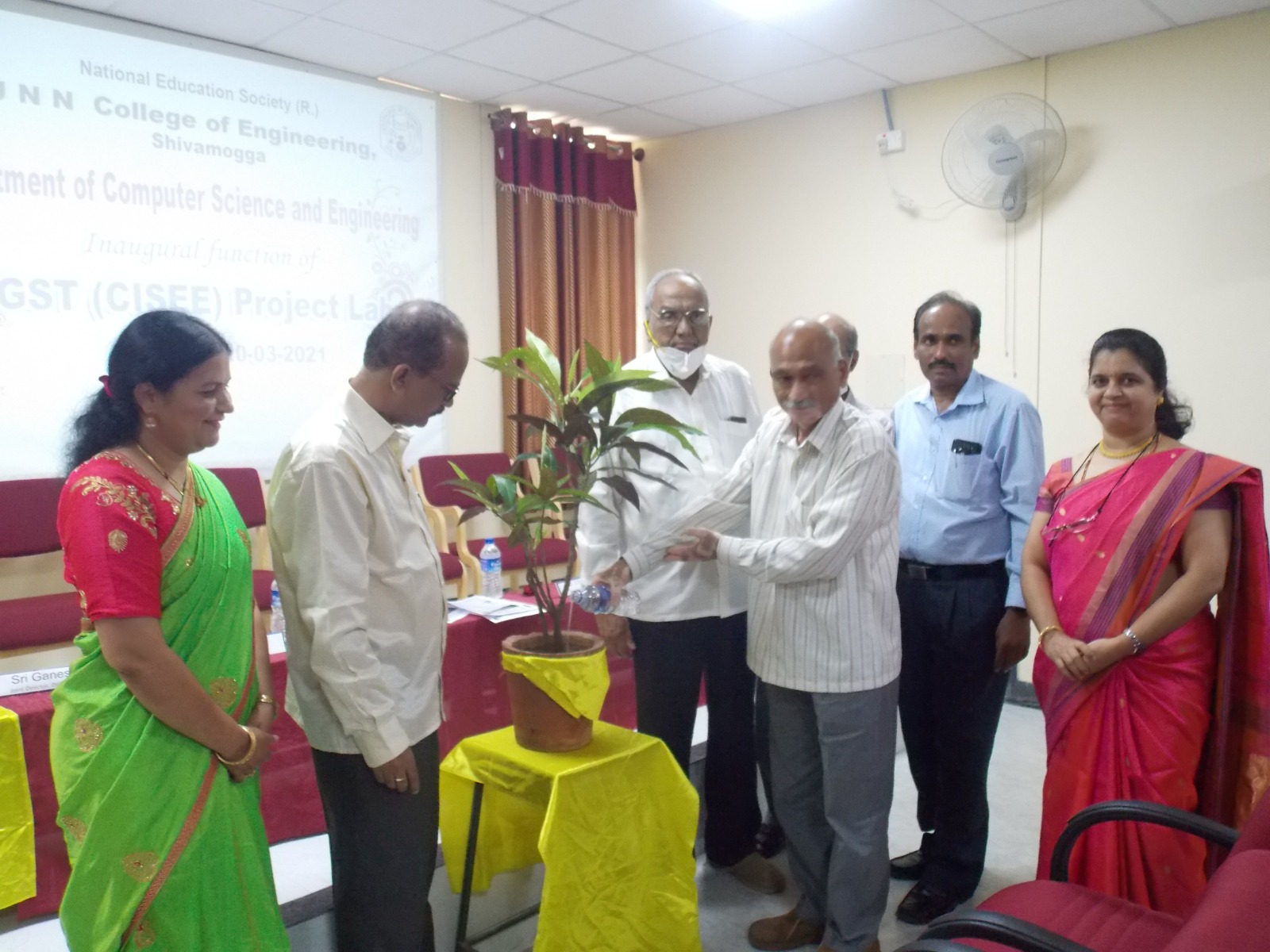
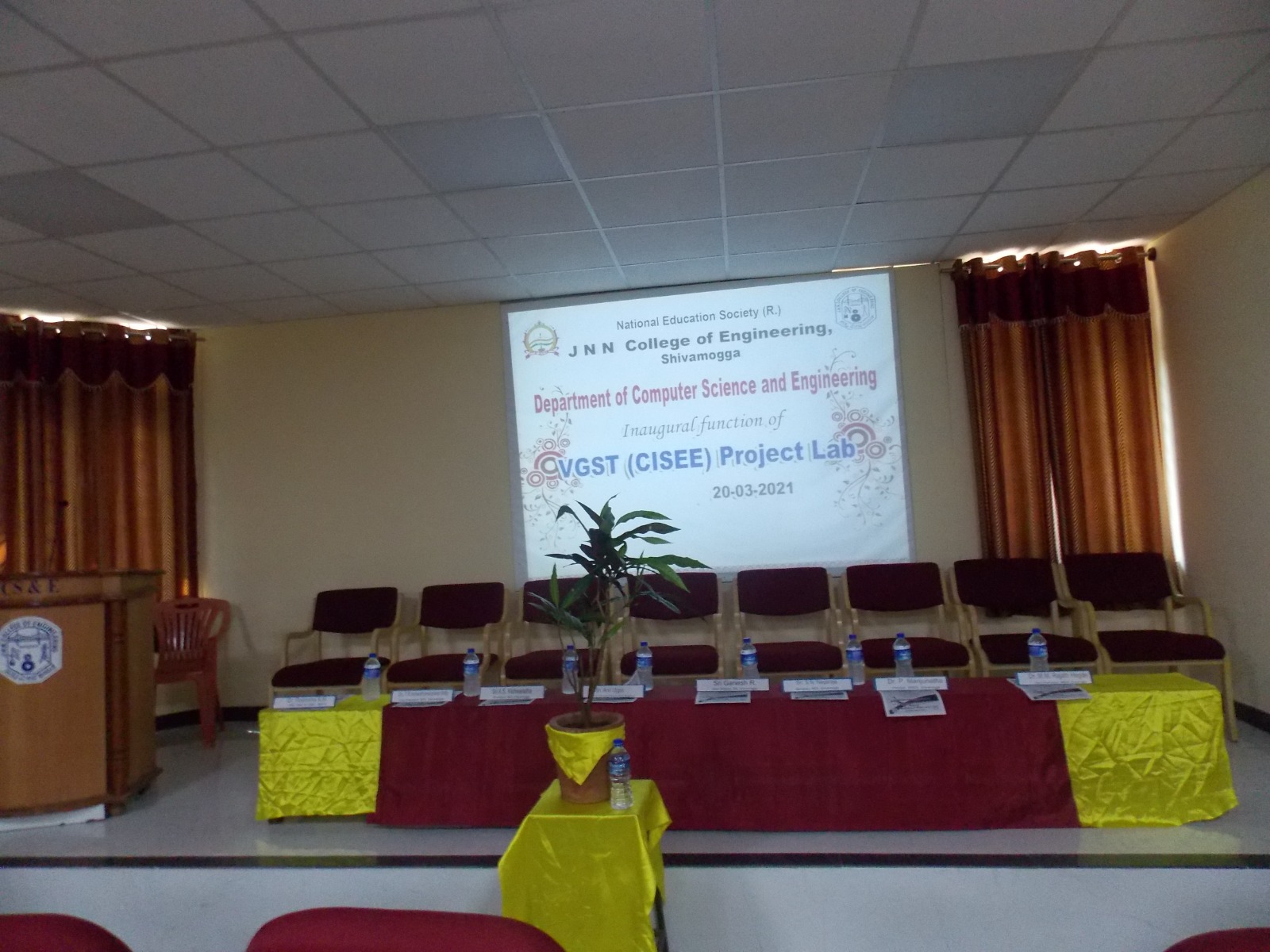
Inaguration of VGST Lab

Inaguration of VGST LAb

Inaguration of VGST Lab


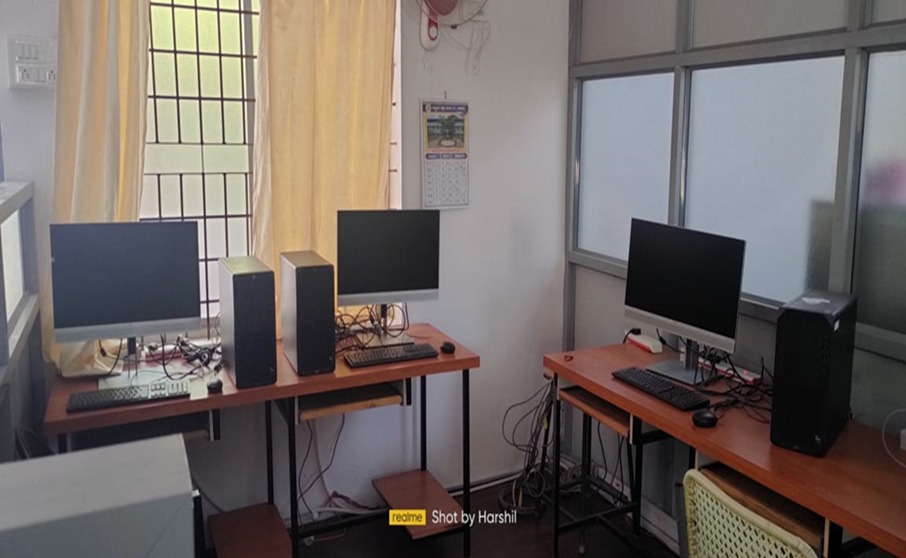
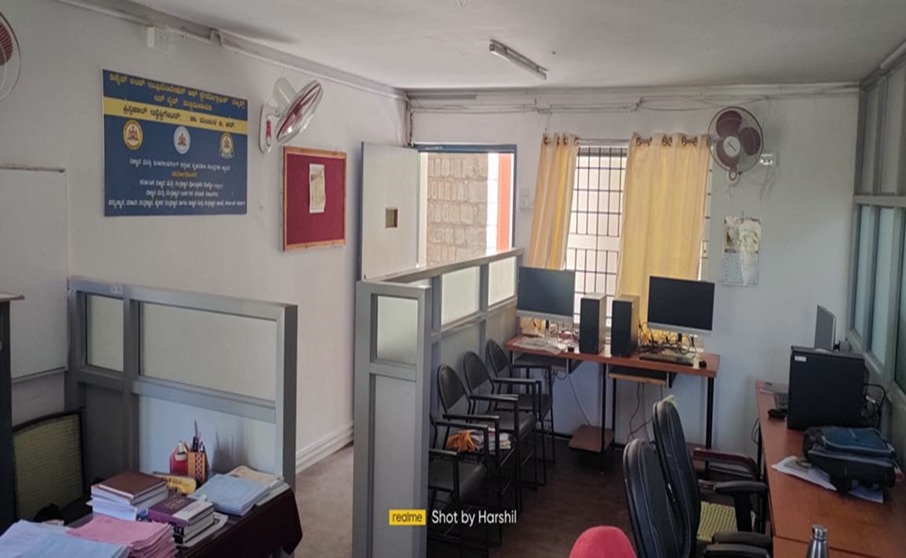
Photographs of the equipment purchased under the project

The lab is equipped with more than 6 high-performance ThinkStations featuring a 12th Gen Intel Core i9 processor, 64GB RAM, a 64-bit operating system and NVIDIA GPU with 12GB dedicated memory.

Career Prospects in Data Science

Data Science is one of the fastest-growing and most impactful fields in today’s digital era. With the exponential rise in data generation across sectors, the need for professionals who can derive meaningful insights and drive data-informed decisions is higher than ever.

Graduates from the Department of Data Science are well-prepared for a wide array of career opportunities across industries such as:

  • Information Technology and Software Services

  • Banking, Financial Services, and Insurance

  • Healthcare and Life Sciences

  • Retail and E-commerce Analytics

  • Telecommunications and Smart Infrastructure

  • Public Sector and Governance

  • Manufacturing and Industrial Automation

Key roles offered to data science professionals include:
Data Analyst, Data Scientist, Machine Learning Engineer, Business Intelligence Developer, AI Researcher, Data Engineer, and Decision Science Consultant.

Recruiters look for expertise in tools and technologies such as Python, R, SQL, Tableau, TensorFlow, and Cloud platforms, along with a strong foundation in statistics and problem-solving skills.

The evolving landscape of AI, Big Data, and Cloud Computing makes data science a dynamic and promising domain. The department actively supports student development through industry collaborations, hands-on training, internships, and placement opportunities, ensuring that graduates are equipped to meet the demands of a rapidly changing job market.

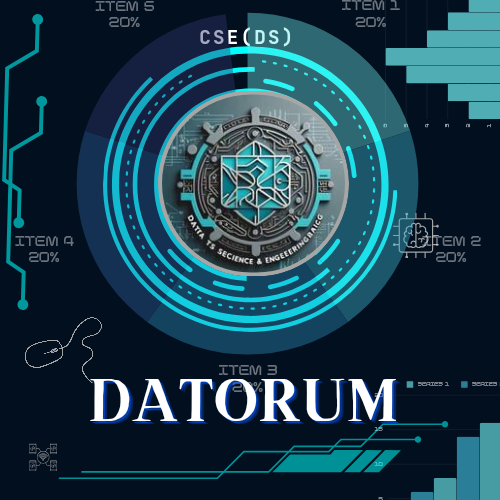
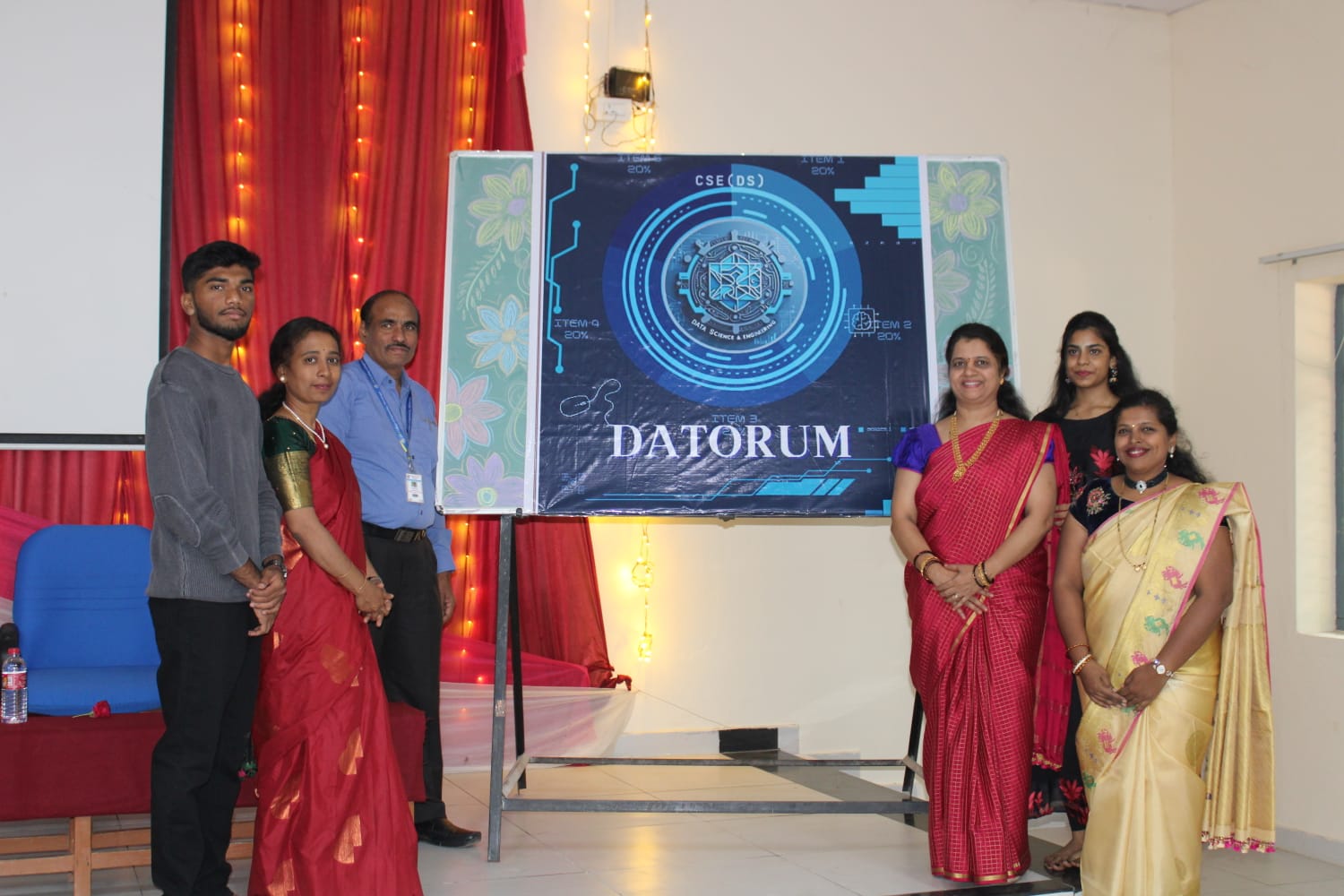
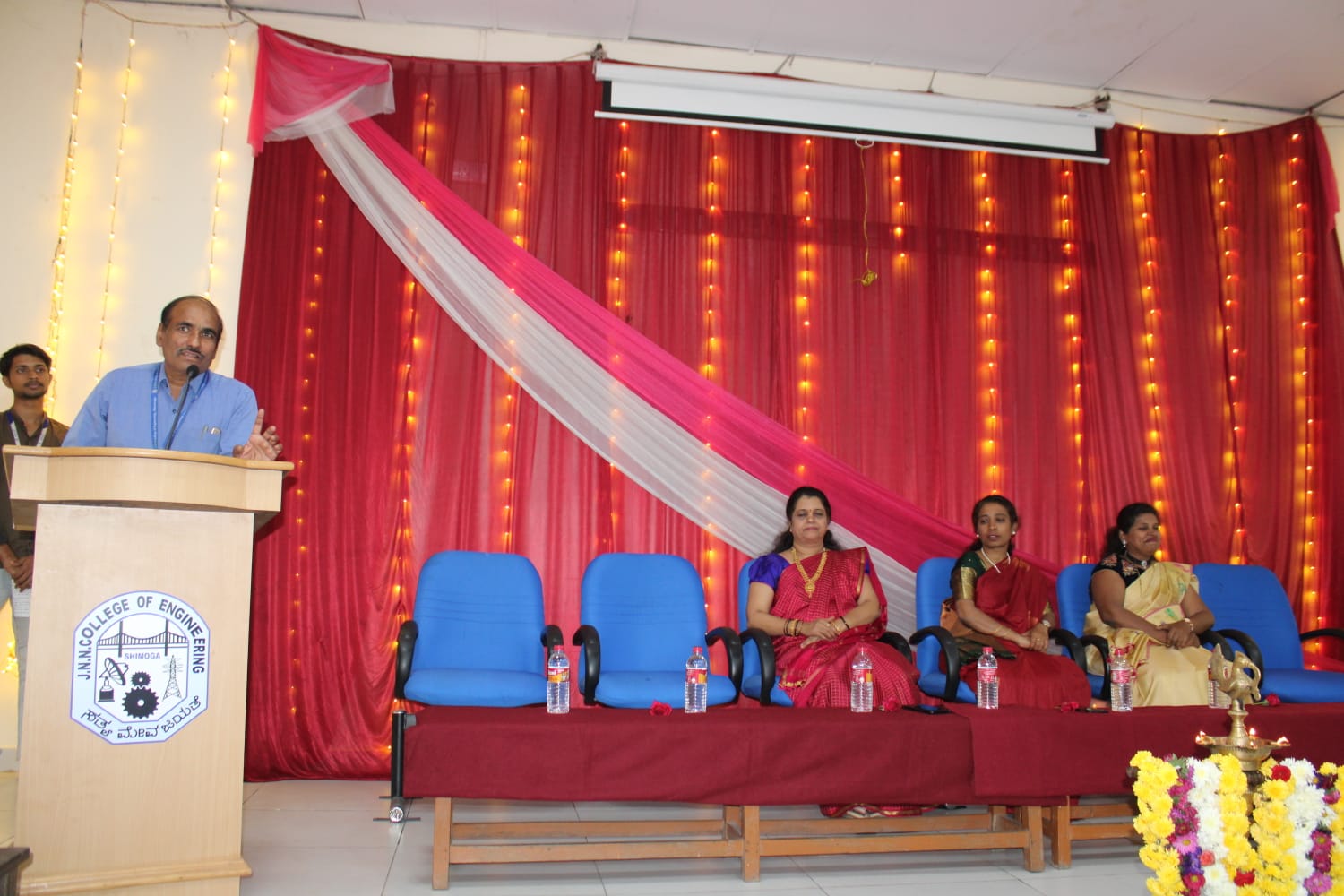
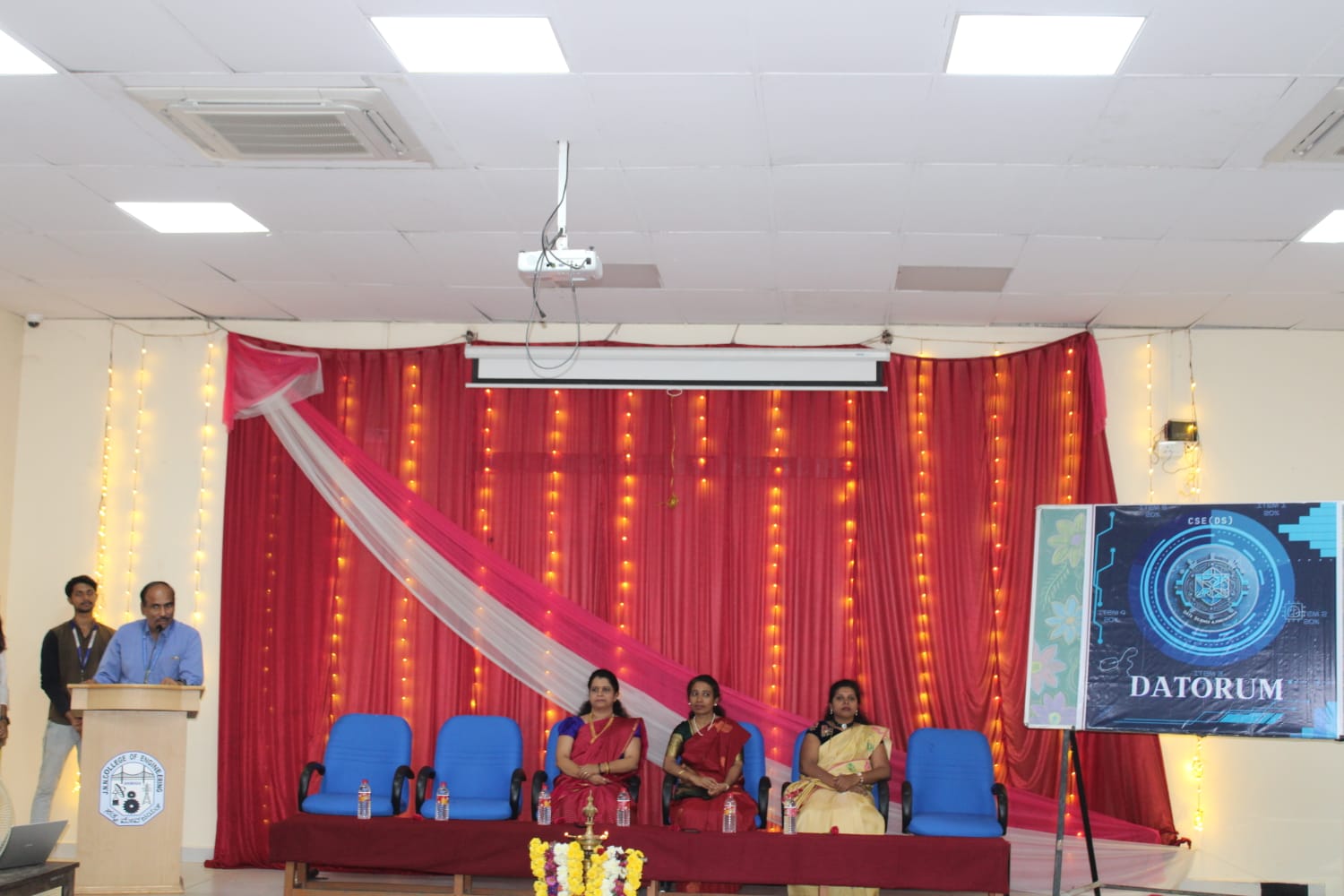
A logo design competition was organized by the Department of Computer Science and Engineering (Data Science). Students participated enthusiastically, showcasing their creativity through a variety of innovative logos and forum names. Among the numerous entries, one was selected for its strong relevance and applicability to the department's domain. The selected logo and forum name were unveiled during the forum inauguration program. 

DATORUM

The chosen name and logo for the Department of Computer Science and Engineering (Data Science) forum – is deeply rooted in the core principles of data science. The name “DATORUM” is derived from the Latin word Datum, which signifies a collection of information. It symbolizes the fundamental units of information that form the basis of data science. Just as data serves as raw material for scientific analysis, “DATORUM” reflects the structuring, organization, and preparation of that data, making it ready for meaningful interpretation. The term evokes the idea of collected, raw, yet actionable knowledge—precisely what data scientists work with. It emphasizes the core concept of data collection and the transformation of this information into insightful knowledge through data visualization and analysis.

The logo was designed to visually communicate the essence of data science. It incorporates elements like pie charts, bar graphs, and line graphs—common tools used in data visualization and analysis. These graphical components not only make the logo visually appealing but also symbolically connect it with the discipline of data science. The blue color in the logo represents the sky, signifying the limitless nature of data and its potential—it extends “beyond the sky.” The thoughtful design makes the logo and the forum name highly interrelated, both conceptually and visually, reinforcing the forum's focus on data-driven technologies.

The selection of this logo was based on its strong identity and purpose, capturing the true mission of the forum. It reflects professionalism, timelessness, and credibility—qualities that resonate with the department’s commitment to academic and technical excellence. The unique color palette and modern design ensure the logo’s relevance for years to come, while its clarity and symbolism foster memorability and recognition. Emotionally, the logo builds a sense of pride, unity, and belonging among forum members. Technically, it encapsulates the entire data science workflow—collection, visualization, analysis, and management—making it a perfect representation of the field.

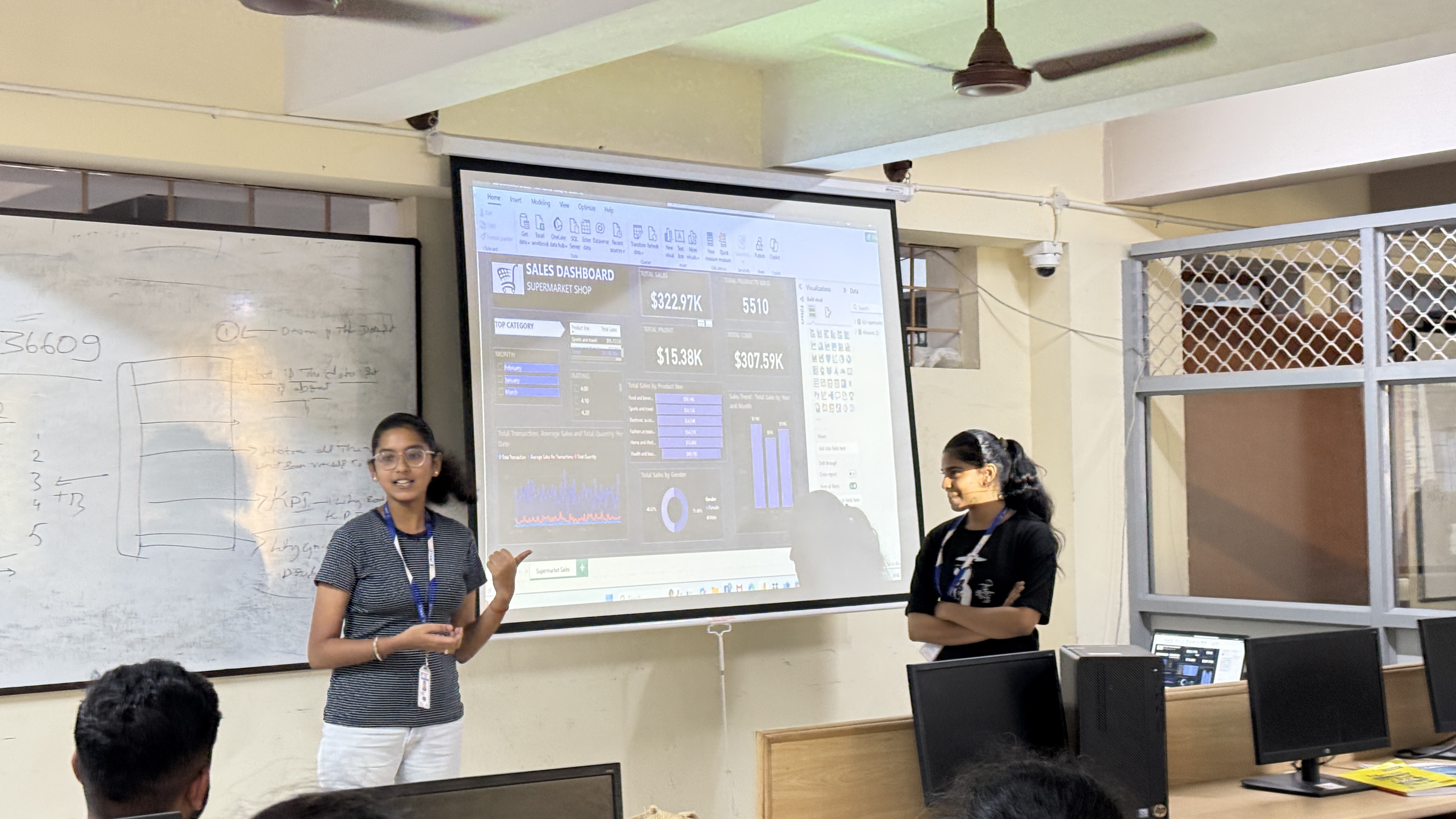
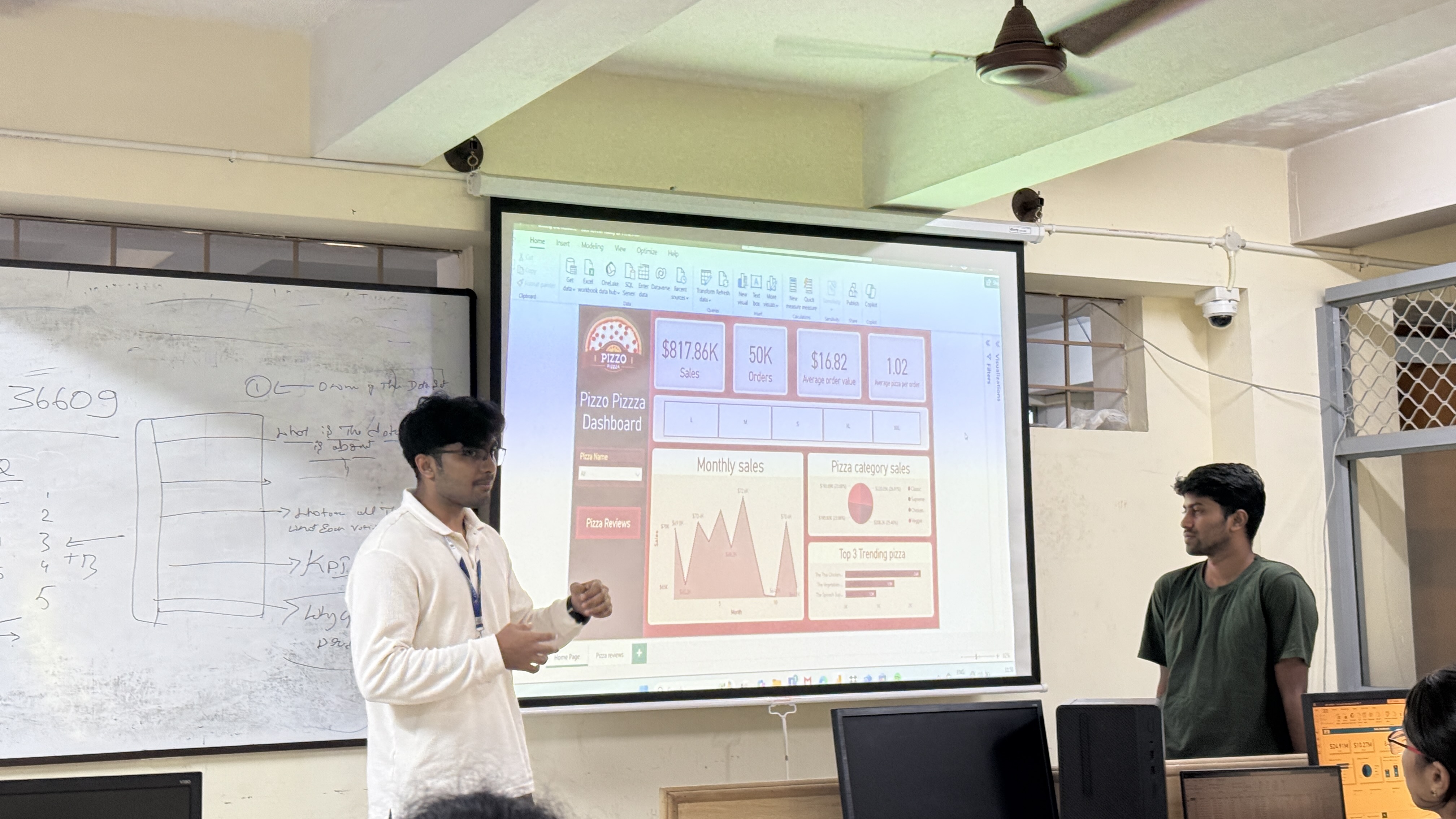
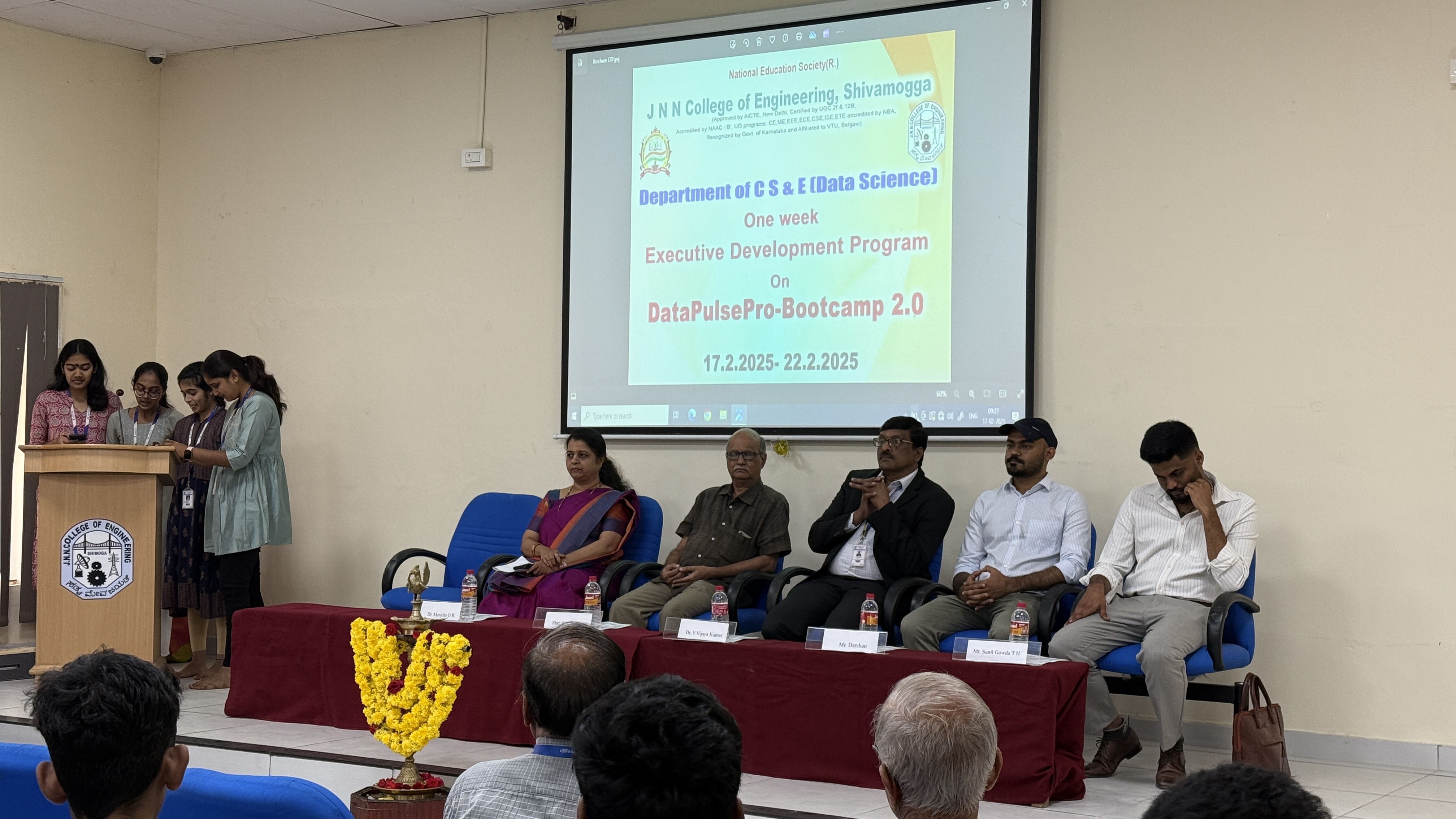
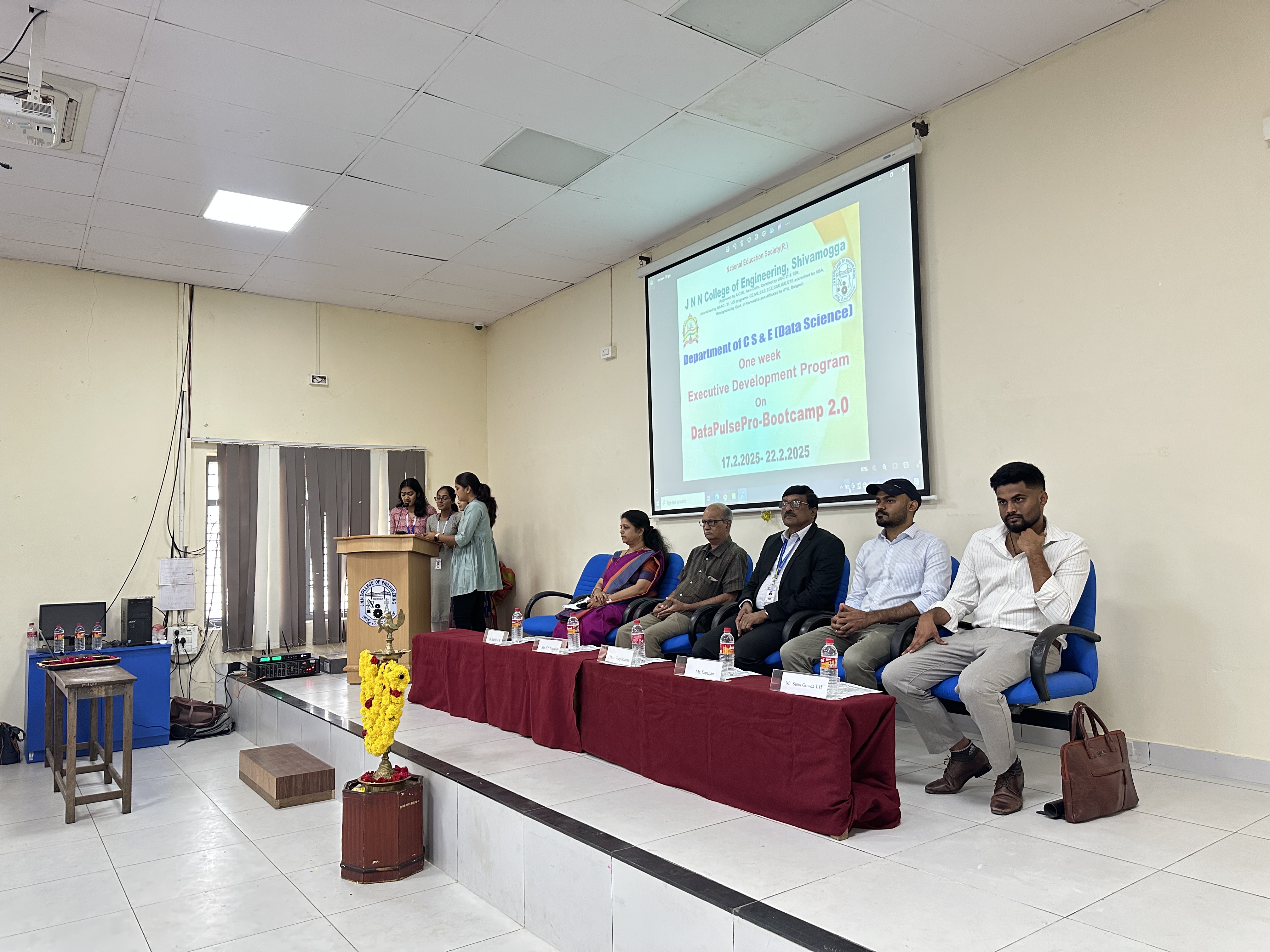
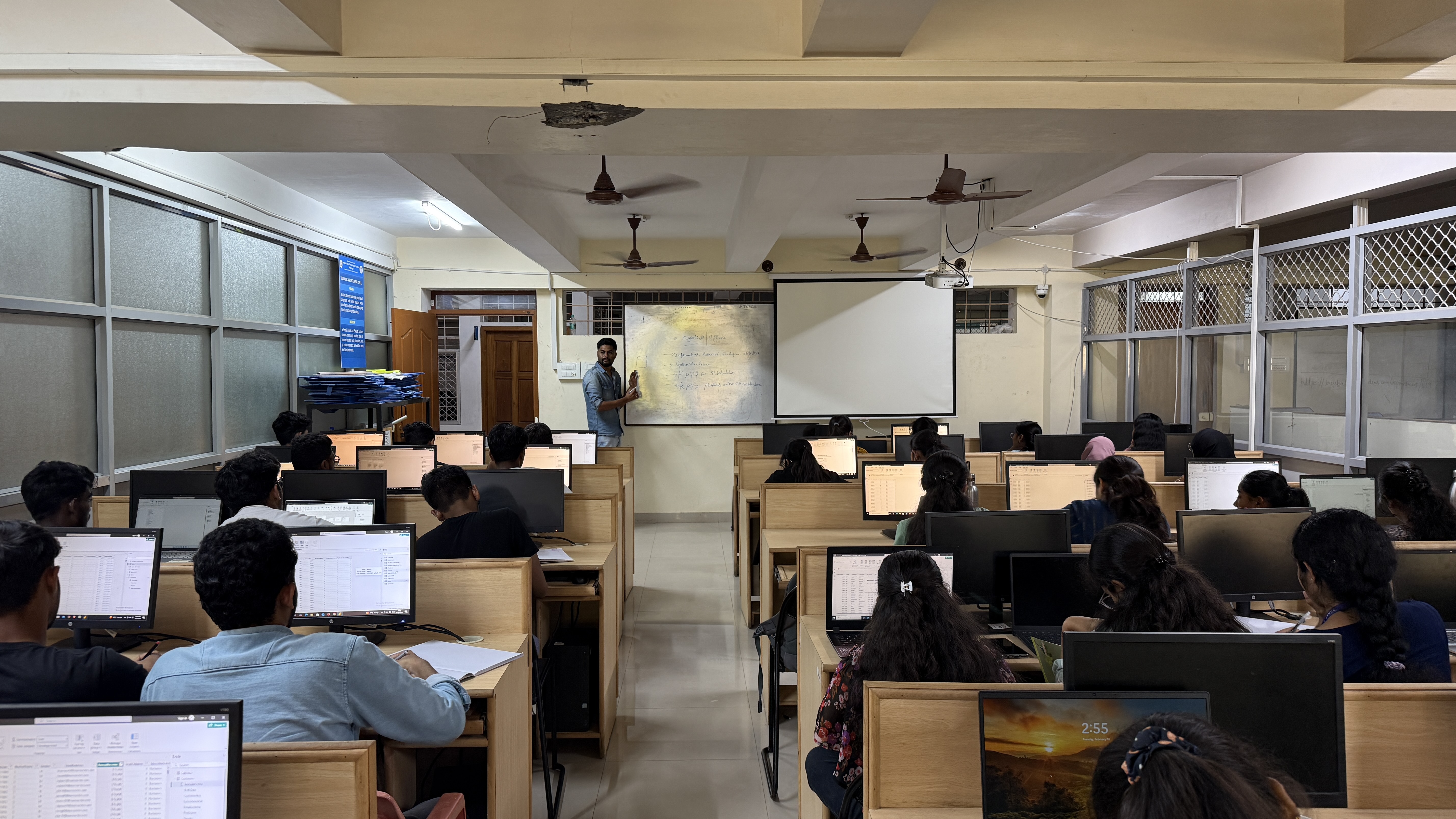
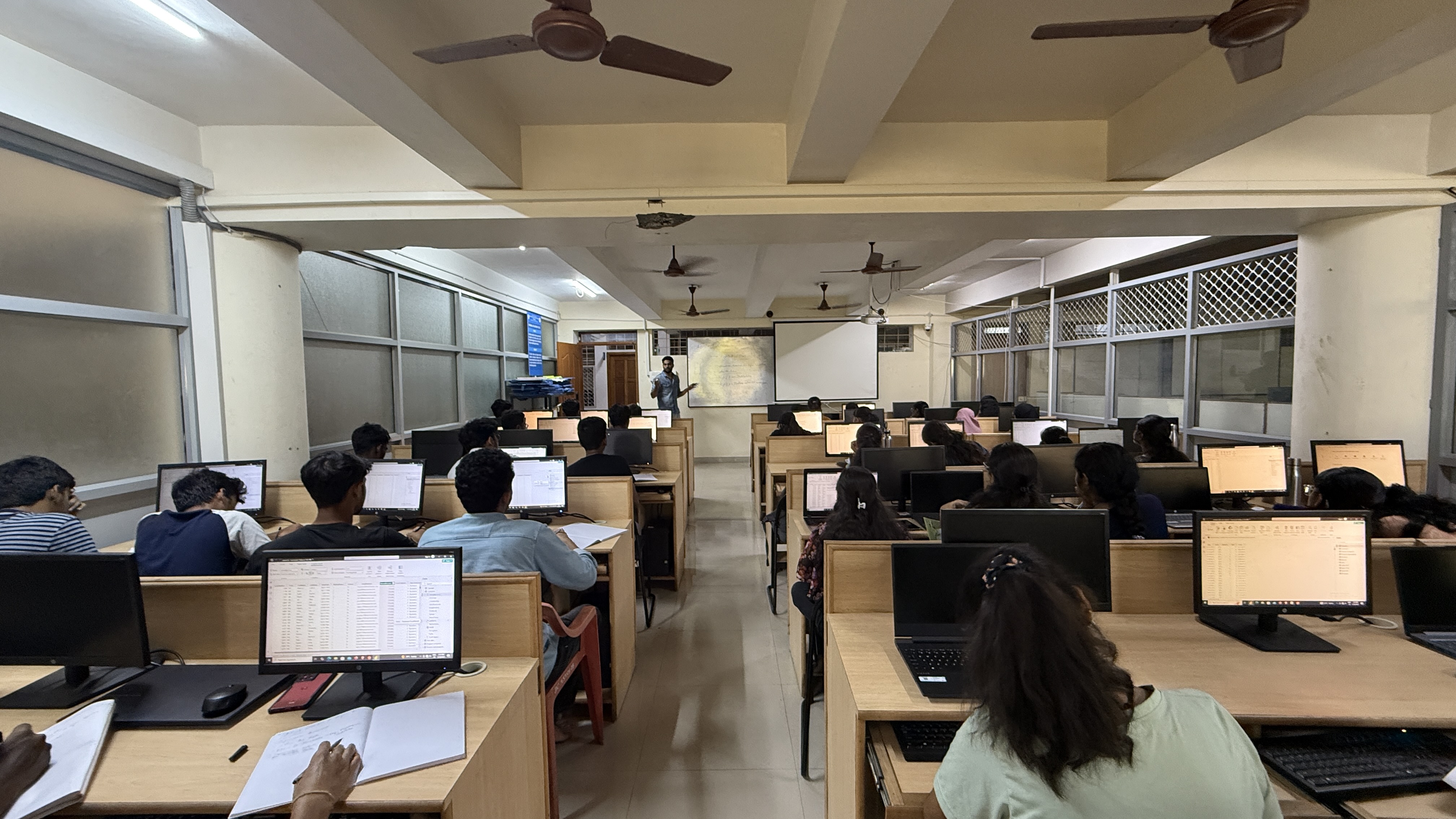
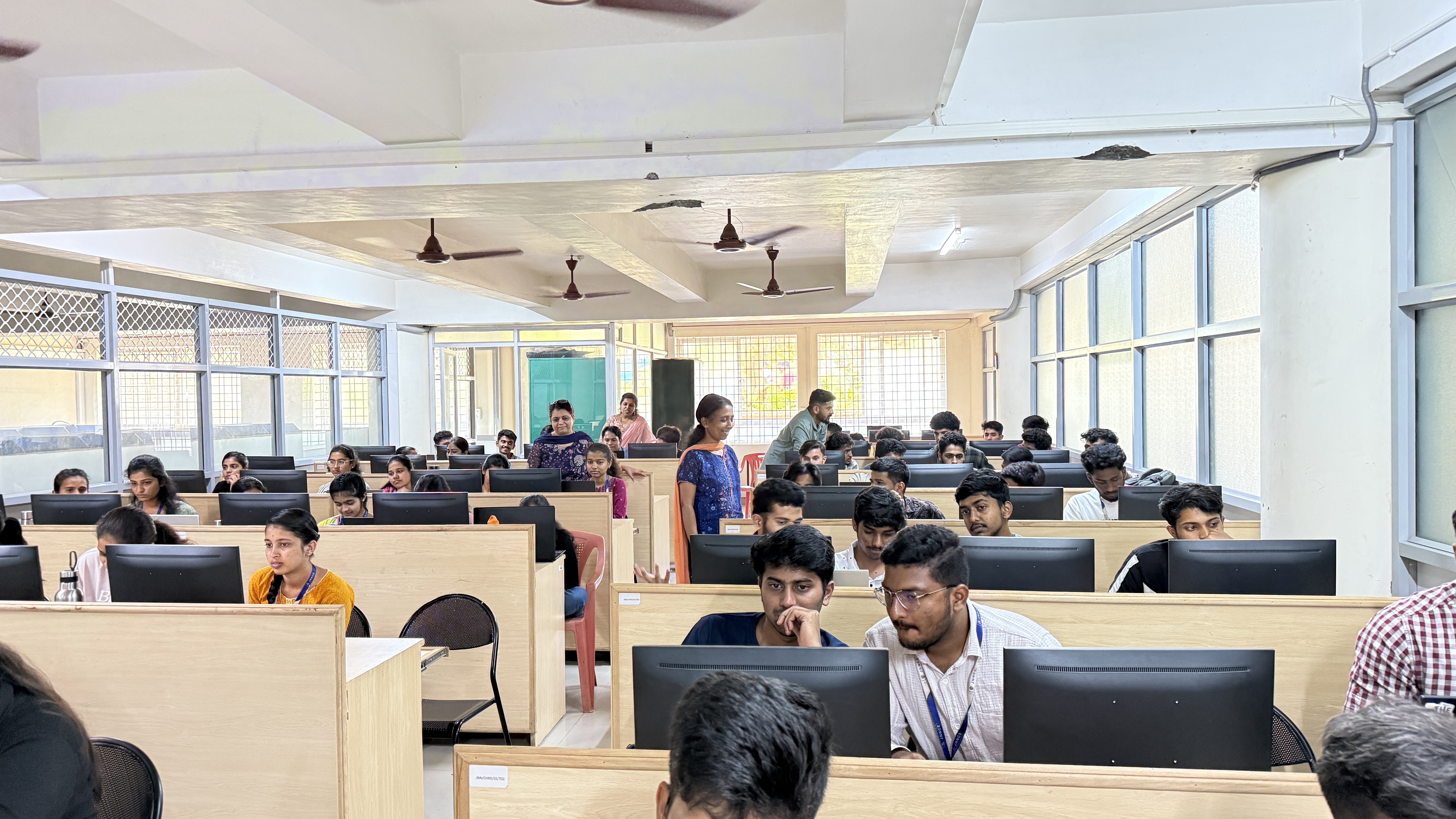
Students were provided hands-on experience with the cutting-edge data analytics tool, Power BI, through a one-week Executive Development Program. The program successfully equipped them with skills to analyze and visually represent data effectively. As a culmination of their learning, each group of four students undertook and successfully completed a mini-project, demonstrating their grasp of the concepts and practical application of Power BI in real-world scenarios.

Sample Snapshots from Student Mini Projects

Presented below are selected snapshots from the mini projects developed by student groups during the Executive Development Program on Power BI. These visuals highlight the students’ ability to extract insights, perform data-driven analysis, and create dynamic dashboards using real-world datasets.Student Project2

Student Project1


1. Bridging the Gap: Foundation Program for First-Year Engineering Students

This initiative was designed to ease the transition of first-year engineering students into their respective branches. The program aimed to equip students with the fundamental knowledge required to confidently handle core subjects in their upcoming semesters. Key topics covered included the basics of C programming, Python fundamentals, and other foundational subjects. Additionally, a special session was conducted by the Head of the Department, providing insights into branch-specific opportunities and emphasizing the importance of discipline and academic integrity.

For further details, Click Here


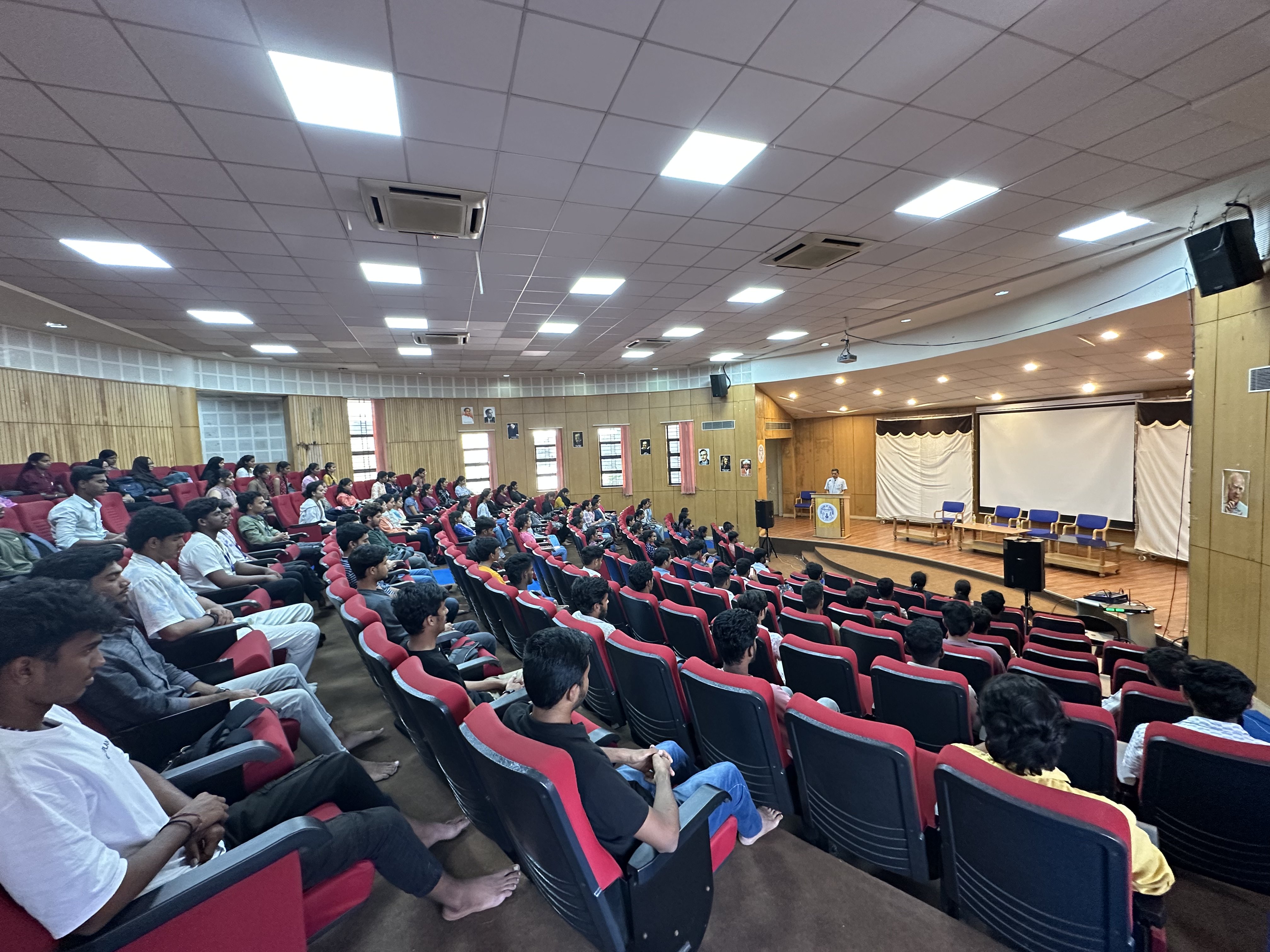
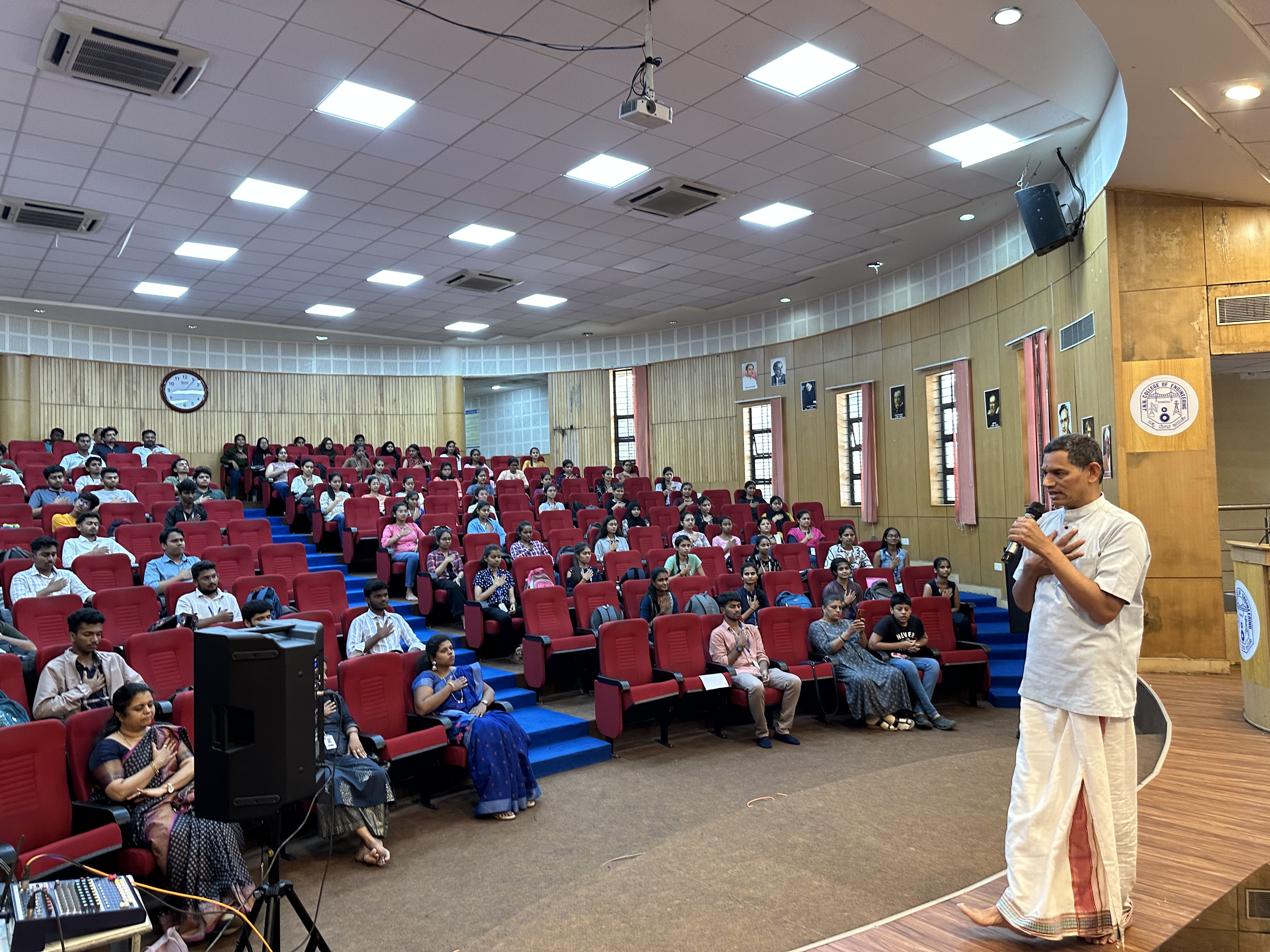
2. One-Day Student Development Program: "Empowering Minds : Confidence Clarity and Life Beyond Studies"

A one-day Student Development Program titled "Empowering Minds" was successfully conducted on 09/10/2024 for the 1st and 2nd year students of the Department of Data Science. The session focused on enhancing students’ mental clarity, concentration, and overall well-being. Renowned motivational speaker and resource person, Mr. Gopala Krishna Bhat, led the program with a powerful message on the importance of inner peace and mindfulness in academic and personal life. Through engaging discussions, he emphasized how a calm and focused mind can lead to better decision-making, improved learning capacity, and emotional stability in today’s fast-paced world.

The session included practical meditation techniques that allowed students to experience moments of deep mental stillness. A special highlight was the practice of Yoga Nidra, a form of guided meditation known for its profound relaxation benefits. It was shared that just 20 minutes of Yoga Nidra can offer restorative effects equivalent to 3 hours of sleep, making it a highly effective tool for stress relief and rejuvenation. Students actively participated and expressed how the session helped them realize the importance of balancing mental and academic pressure. The program left a lasting impact, equipping students with tools to cultivate focus and inner strength in their daily lives.


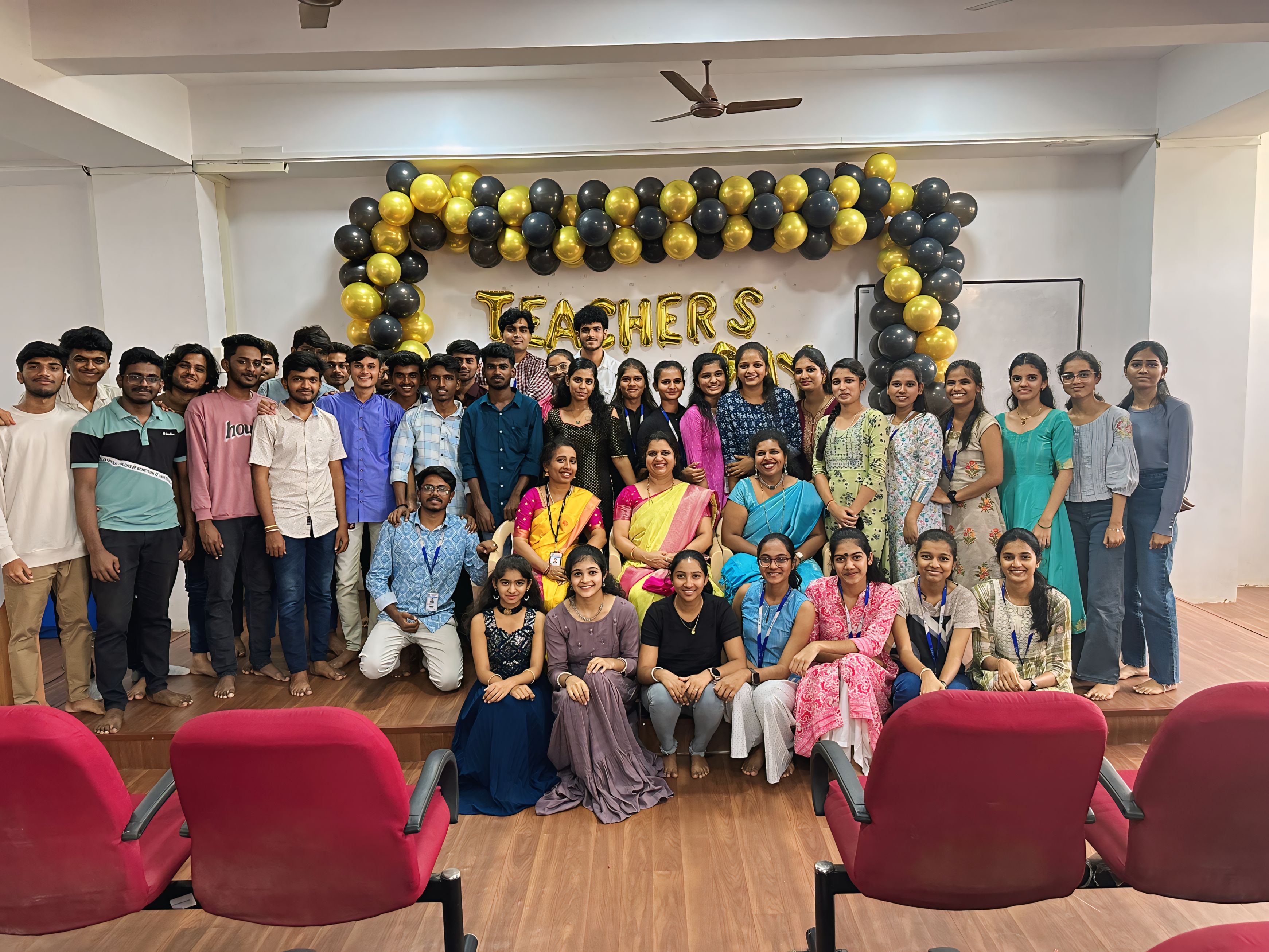
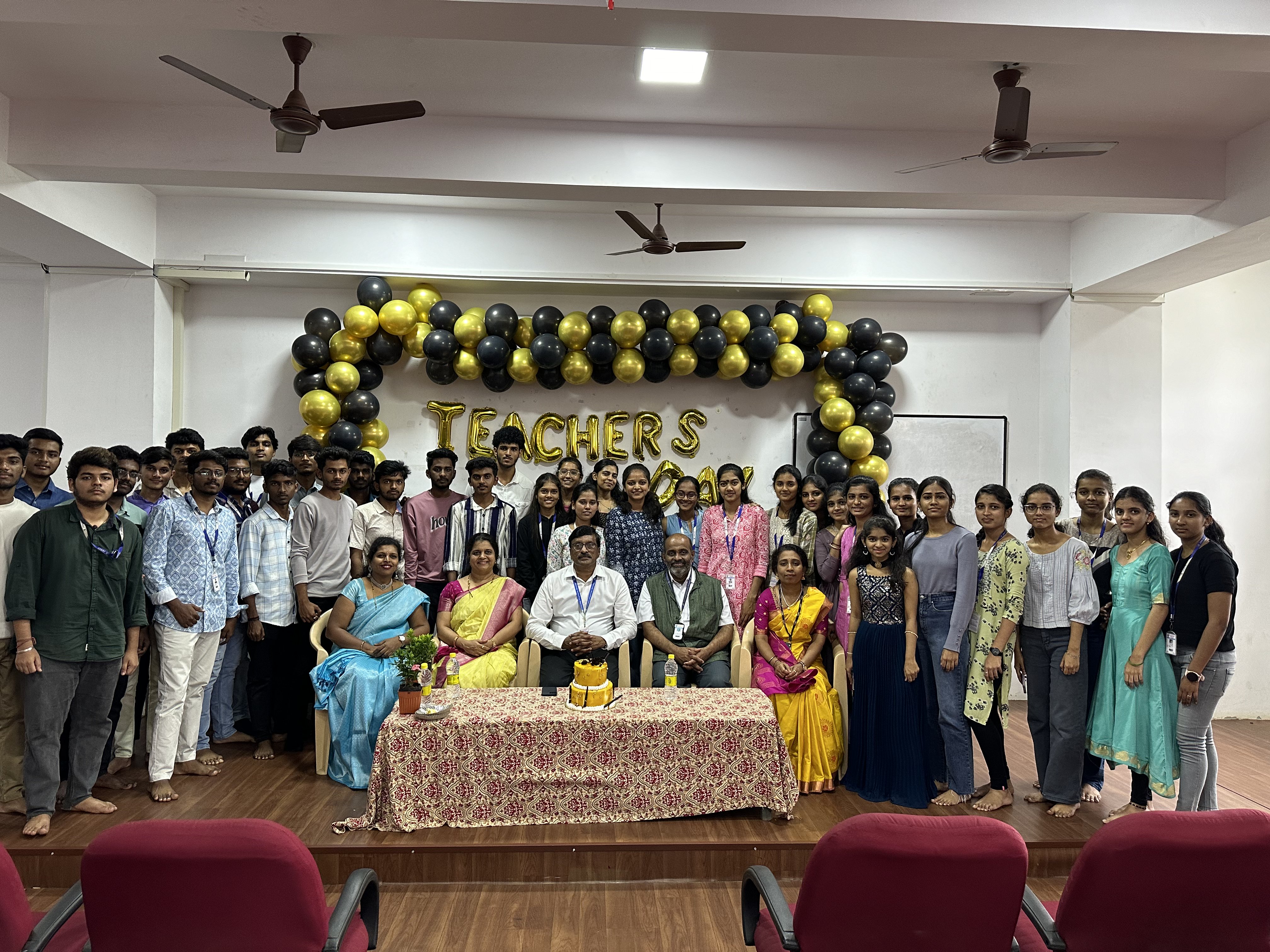
3. Teachers’ Day Celebration  

The Department of Data Science organized a formal Teachers’ Day celebration on September 5, 2025, to honor and express gratitude to the faculty members for their dedication and contribution to academics. The event was coordinated voluntarily by the students, showcasing their enthusiasm and respect for their mentors. All faculty members of the department, along with the Principal Dr. Y Vijaya Kumar, were invited to the celebration.

The Principal addressed the gathering and shared valuable insights on the emerging trends and future prospects in the field of Data Science, encouraging students to stay updated and focused. The event featured cultural performances by the students and interactive games for the faculty, creating a cheerful and engaging atmosphere. The celebration served as a token of appreciation and strengthened the bond between students and faculty.


Your Future of Excellence Begins here

Our commitment to quality
and Excellence means that we only trained staff for Innovative Teaching and Realtime Learning Process.

CONTACT NOW

Facilities

Library and Information Center

One of the best places in our campus that we can boast of is our Library..

Hi-Tech Auditorium

The college has well furnished A/C Auditorium, which is equipped with state-of-the-art audio visual..

Modern Class Rooms

JNNCE has well furnished lecture hall equipped with audiovisual equipment like Smartboards, Projectors etc,.

Hostel and Transport

Hostels are a home away from home. We at JNNCE provide you a decent stay and the best possible learning environment.

Well Equipped Lab/Workshops

Well equipped spacious laboratories in all the departments so that student can perform development

Sports and Cafeteria

JNNCE recognizes the importance of sports and recreation for the overall development of student's personality.